November 21, 2026
If you’re in Nonnenhorn and need medicine or some professional health advice, head over to the Jakobus-Apotheke. It’s a local…
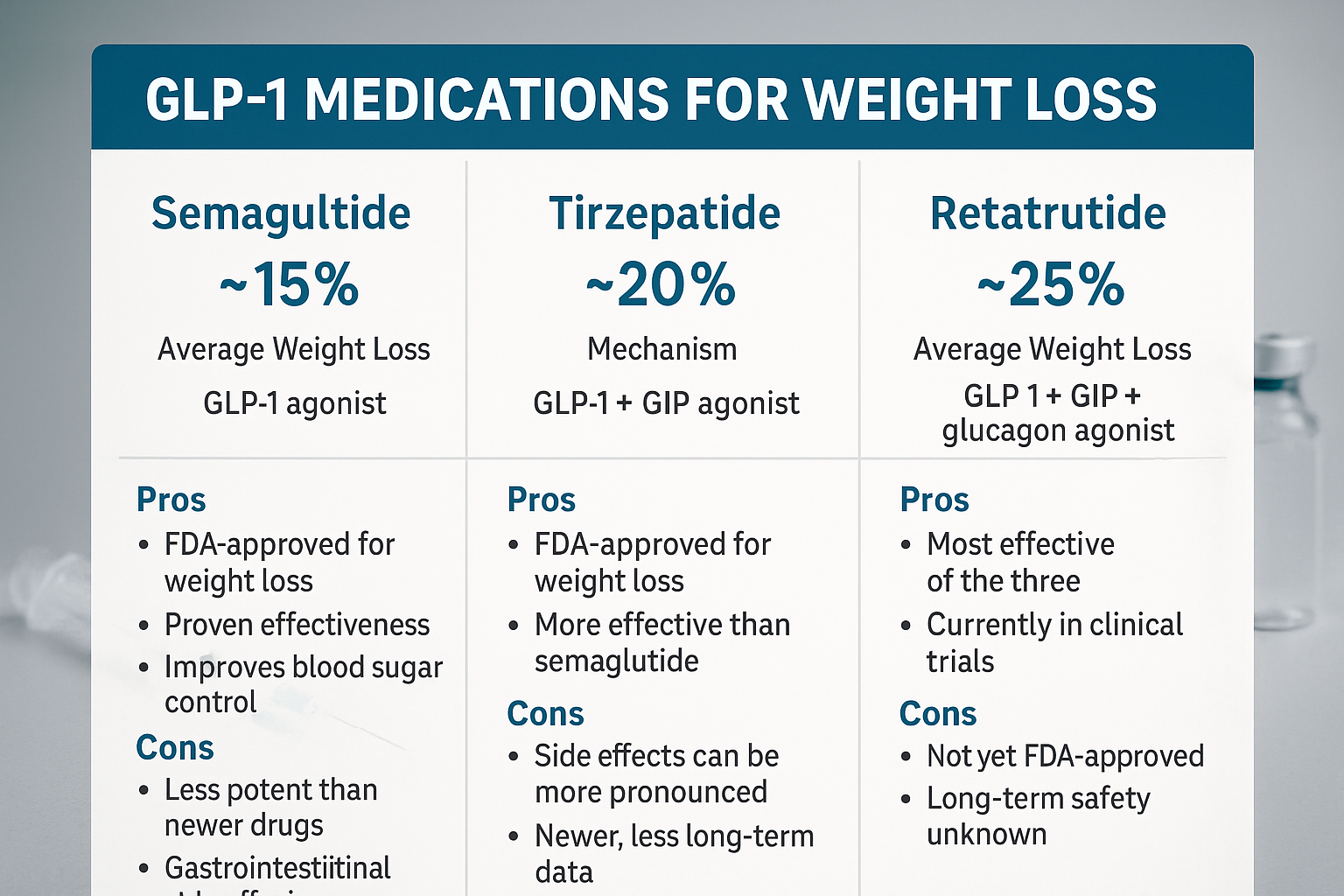
Will these injections actually work for me, or am I just buying an expensive way to feel nauseous?
It isn’t a simple yes or no. It really depends on whether you treat the medication like a magic wand or a tool. If you think a pill can do the heavy lifting while you continue eating like a teenager at a buffet, you’re going to be disappointed and likely very sick. These drugs change how your brain perceives hunger and how your stomach handles food. It’s a massive shift in your internal biology.
You have to understand that these are biological modifiers. They mimic the hormones your body naturally produces to tell your brain, “Hey, we have enough fuel, stop eating.” When you introduce a synthetic version of that signal, it’s loud, clear, and often overwhelming. It’s not about willpower; it’s about changing the chemical conversation happening in your gut.
If you’re looking for a shortcut that requires zero effort, stop reading now. This isn’t a shortcut; it’s a biological reset. You’re essentially hacking your satiety signals to make “right” choices feel physically easier. It’s a powerful mechanism, but you need the right mindset to prevent the inevitable rebound when you eventually stop the treatment.
You can’t just walk into a clinic and demand a prescription. You need to prep your lifestyle before the first needle ever touches your skin. If your pantry is full of processed snacks that trigger cravings, the medication will fight against your environment every single day. You have to decide, right now, that your kitchen is going to change.
Nutrition becomes your primary job. Because your appetite will plummet, you won’t be able to eat large meals anymore. You’ll find yourself struggling to consume enough calories just to keep your energy up. That sounds like a problem, but it’s actually your biggest hurdle. You need to prioritize protein and healthy fats so your body doesn’t start burning muscle instead of fat.
Sleep is the other pillar you can’t ignore. When you’re sleep-deprived, your hunger hormones go haywire. The medication might not be strong enough to suppress that biological urge to binge. You need a rigid sleep schedule. It’s the foundation of your metabolic health during this process.
Consider this preparation checklist:
It’s hard work. You’ll need to be ready to pivot your entire daily routine.
Navigating the process of starting and maintaining these medications requires a specific sequence to minimize side effects. You won’t start at the maximum dose. If you do, you’ll spend most of your time in the bathroom or lying on the floor. It’s a gradual titration.
The timing of your doses matters. Some people find that taking the injection in the evening helps them sleep through the initial wave of nausea. Others prefer the morning because they feel the peak effect during lunch. Experiment with your timing to see what your specific biology prefers.
| Phase | Primary Goal | Focus Area |
| Initial | Acclimation | Managing Nausea |
| Intermediate | Weight Reduction | Protein Intake |
| Advanced | Optimization | Muscle Preservation |
| Maintenance | Stability | Long-term Habits |
You should learn more about how these drugs affect your specific metabolic needs before you commit to a long-term plan. Don’t rush the process.
Expect the unexpected. Your body is undergoing a significant metabolic shift and you’ll feel it. The most common complaint is nausea, which feels like a dull, persistent wave in the back of your throat. It isn’t usually a “stomach ache” in the traditional sense; it’s a sensation of fullness that won’t go away.
Dehydration is a silent killer of your progress. Because you aren’t feeling thirsty in the same way, and because you’re eating less, you won’t get the usual water intake from food. If you don’t force yourself to drink water and electrolytes, you’ll feel dizzy, fatigued, and miserable. This isn’t a suggestion; it’s a requirement.
It’s a strange sensation. You might find yourself looking at a piece of cake and feeling absolutely nothing, which can be jarring if you’ve spent decades driven by sugar.
You must know when to stop and call your doctor. This isn’t a “push through the pain” situation. If you experience sharp, localized pain in your upper abdomen that radiates to your back, that’s not a “normal side effect.” That is a potential sign of pancreatitis, and it’s an emergency.
Do not ignore severe vomiting. While some nausea is expected, being unable to keep liquids down is dangerous. Dehydration happens much faster than you think when your caloric intake is low. If you can’t stay hydrated, you need medical intervention immediately.
Watch your blood sugar levels if you have any history of hypoglycemia. Even if you aren’t diabetic, these medications can drop your glucose levels significantly. If you feel shaky, sweaty, or confused, eat something quickly. It’s better to be safe than to faint while driving.
There are other signs to watch for:
Listen to your body. It’s the only guide that actually matters.
Don’t treat this like a vacation.
GLP-1 medications mimic a natural hormone that regulates appetite and slows digestion, helping you feel full longer.
The most frequent side effects include nausea, vomiting, diarrhea, and constipation.
Coverage varies significantly by provider and often depends on whether the drug is prescribed for chronic weight management or diabetes.
Weight loss typically occurs gradually over several months, with significant results often visible after 12 to 16 weeks of consistent use.
Yes, these medications are designed to be used alongside a calorie-controlled, nutrient-dense diet and regular physical activity.