November 21, 2026
If you’re in Nonnenhorn and need medicine or some professional health advice, head over to the Jakobus-Apotheke. It’s a local…
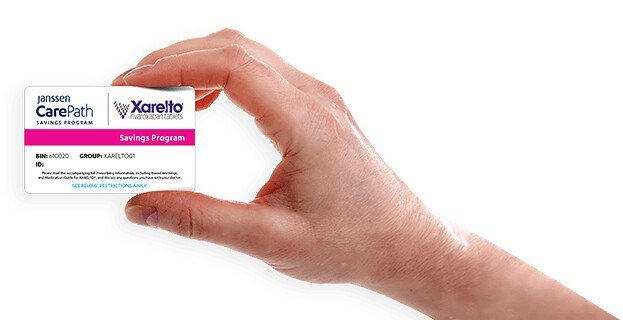
Can Xarelto be cut in half?
Generally, no. You shouldn’t cut or crush Xarelto tablets unless your doctor specifically told you to for a particular reason. Most versions of the drug have a film coating to make sure it absorbs correctly in your digestive tract. If you break the pill, the medication might release too fast or the active ingredient could degrade, which changes how well it prevents blood clots.
If you’re prescribed this, you’re likely dealing with a condition that needs consistent blood thinning. Whether it’s for atrial fibrillation or a history of clots, the goal is to keep blood flowing smoothly to avoid a stroke or systemic embolism. Because the dosage has to be exact, altering the pill is a risk most medical professionals advise against.
We looked into how these medications work and what patients actually need to know when managing prescriptions at home. It’s a lot to take in, especially when you’re trying to figure out the difference between brand names and generic alternatives.
Rivaroxaban is an anticoagulant. People often call these “blood thinners,” but they don’t actually thin the blood like adding water to juice. Instead, they interfere with the chemical process that makes blood clump together to create a clot.
Specifically, the drug blocks a protein in your blood called factor Xa. Think of factor Xa as a major intersection in your circulatory system’s highway. When blood needs to clot, several proteins meet at this intersection to trigger a massive chain reaction. By blocking that intersection, rivaroxaban stops the “traffic jam” of clotting factors from forming.
This is why the drug is used for so many different conditions. It treats deep vein thrombosis (DVT) and reduces stroke risk in people with atrial fibrillation. It also helps prevent systemic embolism, which happens when a clot travels to another part of the body. MedlinePlus has detailed info on how these dosages help prevent those serious events.
Since it targets factor Xa specifically, it’s often more predictable than older drugs like warfarin. You won’t need the same frequent blood testing to monitor levels, which changes how doctors manage patients with heart rhythm issues. It simplifies the daily routine for many, though you still have to stick to the schedule.
At the pharmacy, you might see two different labels: Xarelto or rivaroxaban. The active ingredient is exactly the same. The difference is in the “extras”—the fillers, dyes, and the film coating. These can change how the pill looks, feels, or even tastes if it touches your tongue.
For most people, switching from the brand name to xarelto generic won’t change how the medicine works. However, if you have a sensitivity to a specific dye or filler in the brand-name version, your doctor might want you to stick to one manufacturer. It’s worth asking your pharmacist if they have a preference for how your specific dosage is absorbed.
The most obvious difference is usually the price. Brand-name drugs cover the cost of research, development, and marketing. Generics are much cheaper because they don’t have those same overhead costs. If you’re managing a long-term condition, the cost difference adds up over a year or two. It’s a headache to manage, but the savings are real.
The table below shows how different strengths of the medication are organized, based on standard clinical data. This helps explain why you might see different pill shapes or sizes depending on what your doctor ordered.
| Dosage Strength | Common Use Case | Source: NCBI |
|---|---|
| 2.5 mg | Often used for lower dose requirements or specific combinations |
| 5 mg | Used in various clinical protocols for various clotting risks |
| 10 mg | Commonly used in different treatment stages |
| 15 mg | Specific therapeutic dosages for certain conditions |
| 20 mg | Standard dose for preventing stroke in AFib or treating DVT |
Since the medication is designed to stop clotting, the most obvious side effect is increased bleeding. This isn’t just a theory; it’s a practical reality. You might notice a small cut takes longer than usual to stop bleeding, or you might see more bruising on your arms or legs. This is common, but you should pay attention to it.
More serious signs include blood in the urine or stools. If your urine looks pink or red, or if your bowel movements look black and tarry, contact a doctor immediately. These are signs of internal bleeding, which is the main risk of any anticoagulant therapy. It’s better to be safe and get checked out than to ignore it.
Other side effects can be more subtle, like nausea, dizziness, or lightheadedness. If the room feels like it’s spinning or you feel unusually weak, it could mean your blood pressure is being affected by bleeding elsewhere. Most people tolerate the medication well, but watch how your body responds during the first few weeks.
Is it better to be overly cautious? Most medical professionals would say yes. If you’re planning surgery or even a minor dental procedure, you must tell your surgeon or dentist you’re taking rivaroxaban. They might need to pause the medication for a short time to prevent excessive bleeding.
Timing is everything with rivaroxaban. Unlike some medications where you have a little wiggle room, this drug’s effectiveness depends on maintaining a steady level in your bloodstream. If you skip a dose or wait too long to take the next one, you might lose that “protective shield” against clots for a while.
Taking the pill at the same time every day is usually the best way to stay on track. Many doctors recommend taking it with food, especially for higher doses like 15 mg or 20 mg. Food helps with absorption, ensuring the medication enters your system as intended. If you take it on an empty stomach, you might not get the full benefit.
If you miss a dose, instructions vary. Some people are told to take the missed dose as soon as they remember, while others are told to just wait until the next scheduled dose. You should never double up on doses to “catch up” because that significantly increases your risk of bleeding. Follow the specific instructions from your healthcare provider or the patient information leaflet.
Medical regimens can get complicated. If you find yourself forgetting, try using a pillbox or a smartphone alarm. It sounds simple, but when you’re dealing with stroke prevention, these small tools are important for your safety. Consistency is your best friend with anticoagulants.
The list of things to avoid while on rivaroxaban is long. Because the drug interferes with clotting, anything else that affects clotting can make the effect stronger. This includes common over-the-counter meds like aspirin or NSAIDs like ibuprofen or naproxen. Taking these with rivaroxaban can increase your risk of stomach or brain bleeds.
Natural supplements can be tricky, too. Some people use herbal remedies like garlic, ginger, or ginkgo biloba, thinking they are “safer” because they’re natural. However, many of these actually have mild blood-thinning properties. Combining them with a prescription anticoagulant is like adding fuel to a fire; it can make your blood much thinner than intended.
Alcohol is another factor. Drinking can affect how your liver processes the medication and can also increase bleeding risks. While a single drink might not cause a crisis, heavy or regular consumption is a major red flag. Discuss your lifestyle and any supplements you take with your doctor before starting a new prescription.
Always bring a list of everything you take, including vitamins and herbal teas, to your doctor. They need the full picture to ensure there are no dangerous interactions. It might feel like you’re being a nuisance, but it’s better than a preventable complication during a routine check-up.
Managing a prescription like rivaroxaban requires a balance of awareness and routine. While the medication offers protection against strokes and serious blood clots, it also requires you to be mindful of your diet, other medications, and physical symptoms. Stay consistent with your timing and communicate openly with your medical team to manage your health and reduce your risks.
Blood thinners, or anticoagulants, include medications like Xarelto (rivaroxaban), Eliquis (apixaban), and Warfarin.
Rivaroxaban 15 mg is typically used to reduce the risk of stroke and systemic embolism in patients with non-valvular atrial fibrillation.
You should not cut or crush Xarelto tablets unless specifically instructed by your doctor, as it may affect how the medication is absorbed.
Yes, hematuria (blood in the urine) is a potential side effect of Xarelto due to its anticoagulant properties.
If you miss a dose, take it as soon as possible on the same day, but do not double the dose to catch up unless advised by your healthcare provider.