November 25, 2026
You probably think all vapes are basically the same, just different shapes of plastic and metal that puff out flavored…
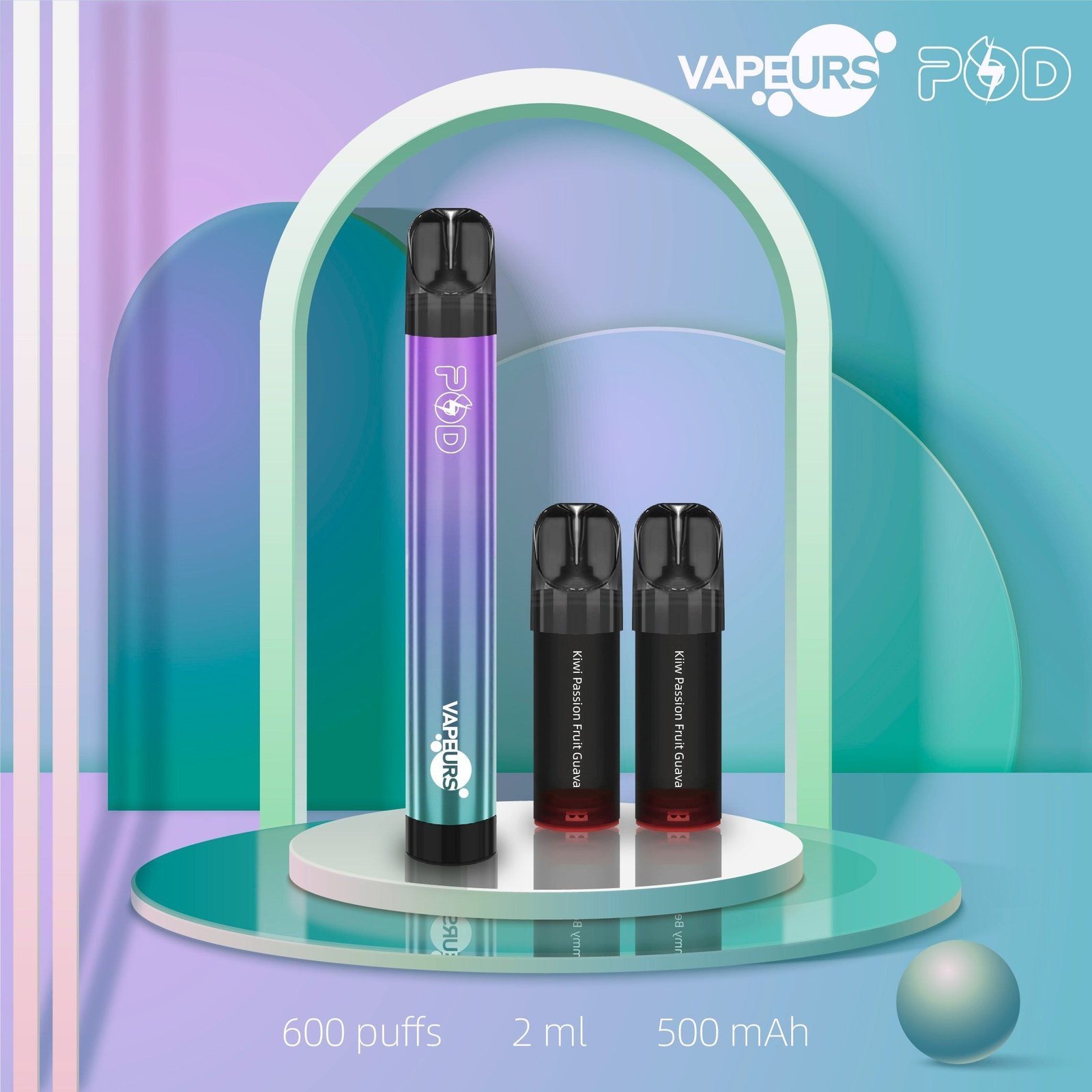
You probably think all vapes are basically the same, just different shapes of plastic and metal that puff out flavored steam. That’s a mistake. If you walk into a shop and grab whatever looks sleekest, you might end up chasing a ghost or burning your throat on a device that wasn’t meant for how you actually vape.
The difference between a disposable, a pod system, and a traditional tank setup isn’t just about the price tag. It’s about the physics of how you inhale and the chemistry of what you’re actually putting into your lungs.
Some people jump straight into the deep end with heavy hardware, only to realize they can’t handle the sheer amount of vapor. Others get stuck in a loop of throwing away perfectly good electronics every three days. It’s a messy, complicated hobby that takes a bit of common sense to navigate without wasting money.
Knowing how the mechanics work helps you avoid the “flavor chaser” trap, where people forget they’re actually using a nicotine delivery device. It’s easy to get lost in the marketing. Nokt understands that things get confusing when there are too many options.
You need to know what you actually want.
Disposable vapes are the ultimate siren song for casual users. They’re bright, cheap, and work the second you open the box. You pull a tab, inhale, and you’re done. There is no maintenance, no cleaning, and no worrying about coils or cotton.
But convenience has a hidden tax. When you buy a disposable, you’re paying a premium to throw away a lithium battery and a circuit board every time the juice runs out. It’s the fast food of vaping: high immediate gratification, but terrible for your wallet and the environment in the long run.
The flavor in disposables is often dialed up to eleven. They use heavy sweeteners to mask harsh nicotine, which can lead to a specific kind of sensory fatigue. Eventually, you stop tasting the actual flavor and just taste artificial sugar.
Then there’s the “end of life” experience. You get that final, terrifyingly burnt taste because the wick ran dry, and then you toss the whole thing in the bin. It’s a cycle of waste that feels a lot heavier once you see the pile of plastic cluttering up your desk.
If you’re buying a new device every week, you haven’t found a lifestyle; you’ve found a subscription you can’t cancel. The simplicity of the device hides the complexity of the habit it creates.
Pod systems arrived to bridge the gap between the “hit and run” nature of disposables and the heavy, clunky setups of the past. These are small, sleek, and rely on a replaceable pod instead of a massive tank. They’re built for people who want something that fits in a pocket but doesn’t require a whole ritual to operate.
The benefit of a pod system is how versatile the liquid can be. Most of these devices are optimized for “nicotine salts.” This is a specific type of liquid that’s smoother on the throat, letting you take larger puffs without that stinging sensation you get with traditional freebase nicotine.
Using a pod system means you’re actually interacting with the hardware. You might have to refill a pod, swap out a coil every week, or deal with an occasional leak if you aren’t careful how you carry it. It requires a little more responsibility than a disposable.
Moving from disposables to pods is usually the first sign that someone is becoming a “real” vaper. You stop looking for the brightest colors and start looking for the best coil performance. The focus shifts from the packaging to the actual vapor.
Here is a quick comparison of the liquid types you’ll see with these systems:
| Liquid Type | Primary Use | Throat Hit | Nicotine Type |
| Nicotine Salt | Pod Systems | Smooth/Muted | Salts |
| Freebase | Mod/Tank Systems | Strong/Sharper | Freebase |
| 50/50 Blend | Small Pods | Balanced | Mix |
If you use the wrong liquid in a small pod, you’ll likely end up with a messy coil that tastes like burnt toast within two days. It’s a balance of viscosity and airflow.
When you move away from small, discreet devices, you enter the world of “sub-ohm” vaping. This is where the clouds live. This isn’t about a quick nicotine fix; it’s about the sheer volume of vapor produced by high-wattage batteries and large metal tanks.
The liquid is the most important part here. It’s a mix of Vegetable Glycerin (VG) and Propylene Glycol (PG), usually with flavorings and nicotine. The ratio of those two determines if you get a massive, thick cloud or a sharp, flavorful hit of nicotine.
VG is thick, sweet, and produces those heavy white clouds. PG is thin, carries flavor well, and provides the “throat hit” that mimics a cigarette. If you want to blow clouds, go with high VG. If you want to feel the nicotine, go with higher PG.
It’s a strange science to master. You can spend an hour tweaking your wattage and airflow, trying to find that perfect spot where the vapor is warm but not hot, and the flavor is present without being overwhelming. It’s a hobby of constant fine-tuning.
When you get the ratio wrong, the whole experience falls apart. High-VG liquid in a device meant for high-PG will cause the coil to dry out instantly. You’ll end up coughing on a hot, acrid vapor that tastes like burnt cotton.
Eventually, most people land on a “mod” setup or a high-end tank system. It’s the most expensive way to start, but it’s also the most customizable. You aren’t just a passive consumer anymore; you’re the technician of your own experience.
You’ll deal with tanks, coils, base parts, and different types of glass. You’ll learn about ohms, wattage, and why priming a new coil matters. It’s a huge leap in complexity from the “plug and play” style of the early days.
There’s a certain satisfaction in building your own coils or finding a specific liquid that makes a flavor pop. You start to care about the “build.” You realize the way a coil is wrapped can change the entire sensation of the inhale. It’s almost meditative if you’re the type of person who likes tinkering with precise objects.
Just don’t let the gear become an obsession. There’s a segment of the community that spends more time talking about hardware than actually using it. They carry heavy metal bricks in their pockets just to get a tiny hit of nicotine.
It’s a slippery slope. One day you’re just looking for a way to stop smoking, and the next you’re researching the thermal conductivity of different mesh materials. It’s easy to lose sight of why you started this in the first place.
The machines change constantly.
Disposable vapes are all-in-one devices meant to be thrown away after use, whereas pod systems use replaceable cartridges and are designed for long-term reuse.
No, disposable vapes come pre-filled with liquid and are not designed to be refilled or modified.
There is no functional difference; both terms refer to the liquid solution containing nicotine, flavorings, and vegetable glycerin used in vaping devices.
Yes, pod systems often use nicotine salts or e-liquids with lower VG/PG ratios to accommodate smaller coils and MTL vaping.
You should replace pods when the flavor diminishes, the taste becomes burnt, or the liquid leaks from the cartridge.