November 21, 2026
If you’re in Nonnenhorn and need medicine or some professional health advice, head over to the Jakobus-Apotheke. It’s a local…
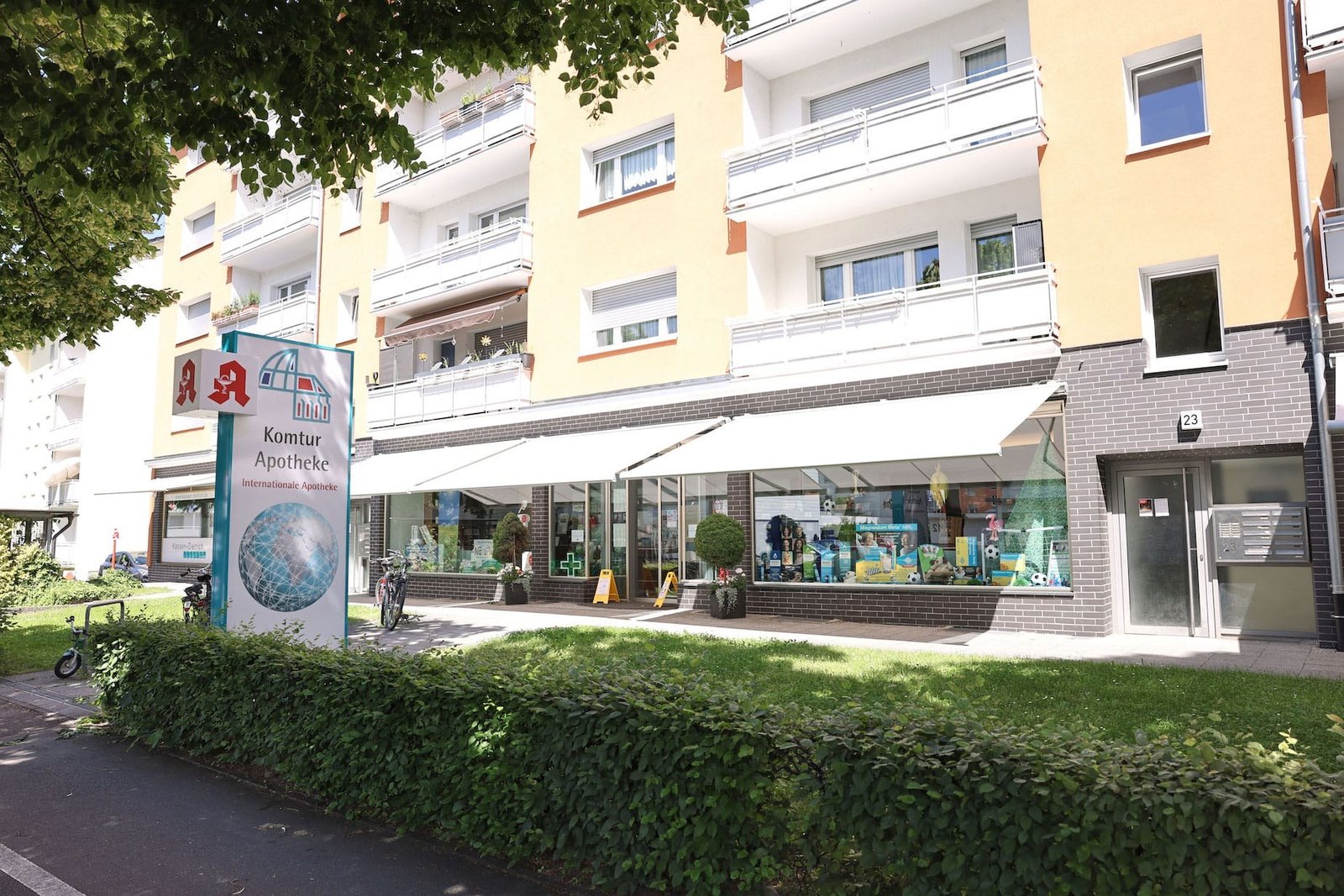
Where can I find an open pharmacy in Freiburg right now? You can, but you need to understand how the system handles emergencies and which neighborhoods have the most specialized care during the late hours.
Freiburg has its own rhythm. While the university keeps the city moving, medical needs follow a strict, predictable schedule. Most pharmacies operate during standard business hours, usually opening around eight or nine in the morning and closing by six or seven in the evening. If you show up after those hours, you’ll find the doors locked with a sign taped to the glass.
That sign is your best friend. Germany uses a rotation system so someone is always on duty, even if it isn’t your usual neighborhood spot. This ensures that even if the sun has gone down over the Black Forest, you can still get a prescription or fever medication. Just look for the Notdienst sign; it tells you exactly which pharmacy in the district is handling the night shift.
The city layout makes this fairly easy. If you’re near the Martinstor or the Schwabentor, you’re never more than a short walk from a service provider. If you’re in a residential suburb or out on the outskirts, the distance might be longer. Check the local display cases in shop windows or look for the official posted list of emergency services to avoid a long trek in the rain.
The German pharmacy system is much more regulated than what you might be used to. You won’t find shelves of non-prescription painkillers or cough syrups sitting out in the open like they do in a supermarket. Everything medicinal is behind the counter, so you have to talk to a pharmacist to access most things.
This setup can feel a bit intimidating at first. You walk in, state what you need, and the pharmacist decides whether you need something over-the-counter or a formal prescription. They are highly trained and take their role as healthcare advisors very seriously.
If you have a prescription from a local doctor, the process is straightforward. Hand over the slip, they scan it, and you get your medication. If you’re a visitor, having your insurance card or a digital version of your prescription ready is a massive help. For those who want a bit of familiarity or need advice on chronic medication, visiting a dedicated local shop like Apotheke an der Diakonie can provide some consistency.
It is important to know the difference between an Apotheke and a Drogerie. A drugstore sells soap, shampoo, and vitamins, but it won’t give you antibiotics or prescription-strength painkillers. If it’s medicine, you need an Apotheke.
| Type of Shop | What they sell | Can they give prescriptions? |
|---|---|---|
| Apotheke | All medicines, vaccines, medical aids | Yes |
| Drogerie | Cosmetics, household goods, basic vitamins | No |
| Supermarket | Food, cleaning supplies, basic wellness | No |
When a child wakes up with a high fever at midnight or you run out of essential medication on a Sunday, you can’t just walk into any shop. You have to follow a specific protocol to find the designated emergency pharmacy. It’s an organized process, but without the steps, you might end up wandering the streets feeling frustrated and tired.
The emergency pharmacy might be a bit further away than your local one, perhaps in a different neighborhood or a different part of the city center. This is normal. The system relies on rotation, so the “emergency” pharmacy changes every few days. Don’t be surprised if the place you went to last week is closed tonight.
Sometimes, the pharmacy might have a small fee or a slightly different way of handling insurance for non-residents during these hours. The medicine is the same, but the transaction can feel a bit hurried because the pharmacist is often working alone. Just be patient; they are doing a hard job.
If you have a German prescription, the process is mostly automated. The pharmacist scans your Krankenkassenkarte (insurance card) and the system tells them exactly what you’re covered for. You might only pay a small co-payment, which is a standard part of the German healthcare model. This is usually a fixed, small fee that varies depending on the medication.
Foreign prescriptions can be trickier. If you have a prescription from outside the EU, you might find that the German pharmacist cannot accept it directly. You might need to see a local Freiburg doctor first to have the prescription “translated” into the German system. This is a common hurdle for travelers. A doctor in Freiburg can look at your foreign documentation and write a local version that the Apotheke will honor.
Many people struggle because they assume all medical papers are universal. They are not. A piece of paper from a clinic in another country doesn’t carry the same legal weight here. If you’re staying in Freiburg for an extended period, it’s worth seeing a local GP early to get your medical history into the local system. It saves a lot of headache later.
It is also worth noting how different medications are packaged. You might expect a blister pack of tablets but receive a bottle or a different shaped container. Always check the label immediately. The pharmacist will explain the dosage, but if you’re tired or stressed, you should double-check the instructions yourself.
If you live in Freiburg, you’ll eventually realize that while you can buy a lot of things online, it’s often faster and more reliable to just walk to the shop. Local pharmacies carry specialized items you won’t find in a standard drugstore, like high-end skincare, specific orthopedic supports, or certain types of specialized baby formula.
I remember once needing a very specific type of saline solution for a wound and spending twenty minutes looking for it in a large supermarket. I found nothing. I went to the Apotheke around the corner, and they had it on the shelf immediately. It was a simple mistake, but it shows why the Apotheke is a vital part of the local infrastructure. They have the stuff you actually need when you are actually sick.
You can also use these shops for things that aren’t strictly “medicine.” Many pharmacies stock high-quality supplements and dermatological products that are much better than the cheap versions found in grocery stores. The pharmacists are there to tell you if you’re wasting your money on something that won’t work.
If you’re staying in an Airbnb or a hotel, find your nearest pharmacy on your first day. You don’t need to go there, but knowing exactly where it is can prevent panic when you wake up with a sore throat.
The pharmacists in Freiburg are generally very capable and speak excellent English, though they might struggle if you try to describe a very niche, complex medical condition using only broken phrases. Being direct is better than being poetic. If you know the name of your symptom or the drug you need, say it clearly.
Most people worry they will be treated like a customer in a shop rather than a patient in a clinic. You won’t. The level of professional care is high, and they are trained to prioritize your health over a quick sale. Even if you just walk in to ask a question, they’ll generally take the time to answer you.
Some people think that because they have travel insurance, they can wait until they get home to sort out their medications. You shouldn’t do this. If you need something to treat an infection, get it from the pharmacy now. Delaying treatment because you want to save a bit of money or avoid a trip to the shop is a gamble you will likely lose.
Most pharmacies are closed on Sundays, but a designated 'Notdienst' (emergency pharmacy) is always available on a rotating basis to serve the public.
You can find the current emergency pharmacy list posted on the door of any local pharmacy or by checking the official website of the local pharmacy association.
Yes, pharmacies in Freiburg generally accept European Health Insurance Cards (EHIC), but for non-EU insurance, you may need to pay upfront and seek reimbursement from your provider.
Pharmacies in Freiburg typically require a German prescription, though some may accept valid EU prescriptions for certain medications.
Standard pharmacy hours in Freiburg are usually Monday to Friday from 8:00 or 9:00 to 18:00 or 19:00, with limited hours on Saturdays.